Before you get in touch

What Parents & Children May Expect

An enquiry is a conversation, not a commitment. This page describes how that conversation usually unfolds, so that nothing about it feels unfamiliar — including the possibility that the answer is “not right now”.

Individual, not standard

The steps below describe a typical shape. They are not a fixed programme, and not every child follows the same pathway. Progress can vary, and so can the number and nature of any sessions.

Initial conversation

Talking it through first

The first step is a conversation, usually with the parent or caregiver. It covers what you have noticed, what concerns you, what you have already tried, and what you are hoping for.

This is also the point for your questions — including sceptical ones. What does this involve? What would you expect? What if my child does not want to? A practitioner should be able to answer all of that plainly before anything is arranged.

  • The parent’s concerns and observations
  • The child’s circumstances, age and daily routine
  • Any questions you would like answered
  • What you would consider a worthwhile outcome
  • Relevant context, including any professional advice already received
Considering suitability

Deciding whether this is the right approach at all

Hypnotherapy may not be suitable for every child or every concern. Individual circumstances should be considered carefully.

Suitability depends on things such as the child’s age and understanding, their own willingness, what else is happening for them at the moment, and whether another kind of professional support would serve them better. Sometimes the honest conclusion is that this is not the right approach, or not the right time — and saying so is part of the work rather than a failure of it.

Where a question about oral health, general health or development is present, the appropriate professional for that question should be involved regardless.

Child-friendly approach

Meeting the child where they are

Depending on suitability and the approach taken, sessions may use age-appropriate communication, imagination and focused activities. For a younger child that may look a great deal like a conversation and a story; for an older child it may include agreeing a goal in their own words.

No child is required to participate in anything they are uncomfortable with, and participation or outcomes cannot be guaranteed. A child who is not interested today is simply a child who is not interested today.

Reflection

Looking back at how it went

After a session there is usually a short review with the parent, and where appropriate with the child: how it felt, what was noticed at home afterwards, what seemed useful and what did not.

Reflection is deliberately unhurried. A single session is a small piece of evidence, and reading too much into it — in either direction — rarely helps.

Individual next steps

What happens after that varies

Possible next steps may include:

  • Further discussion
  • Continued support where appropriate
  • Reflection on progress over a longer period
  • Consultation with another appropriately qualified professional where relevant
  • Pausing, and revisiting the question later

The process is individual, and not every child follows the same pathway. There is no set number of sessions that applies to everyone, and any suggestion otherwise should be treated with care.

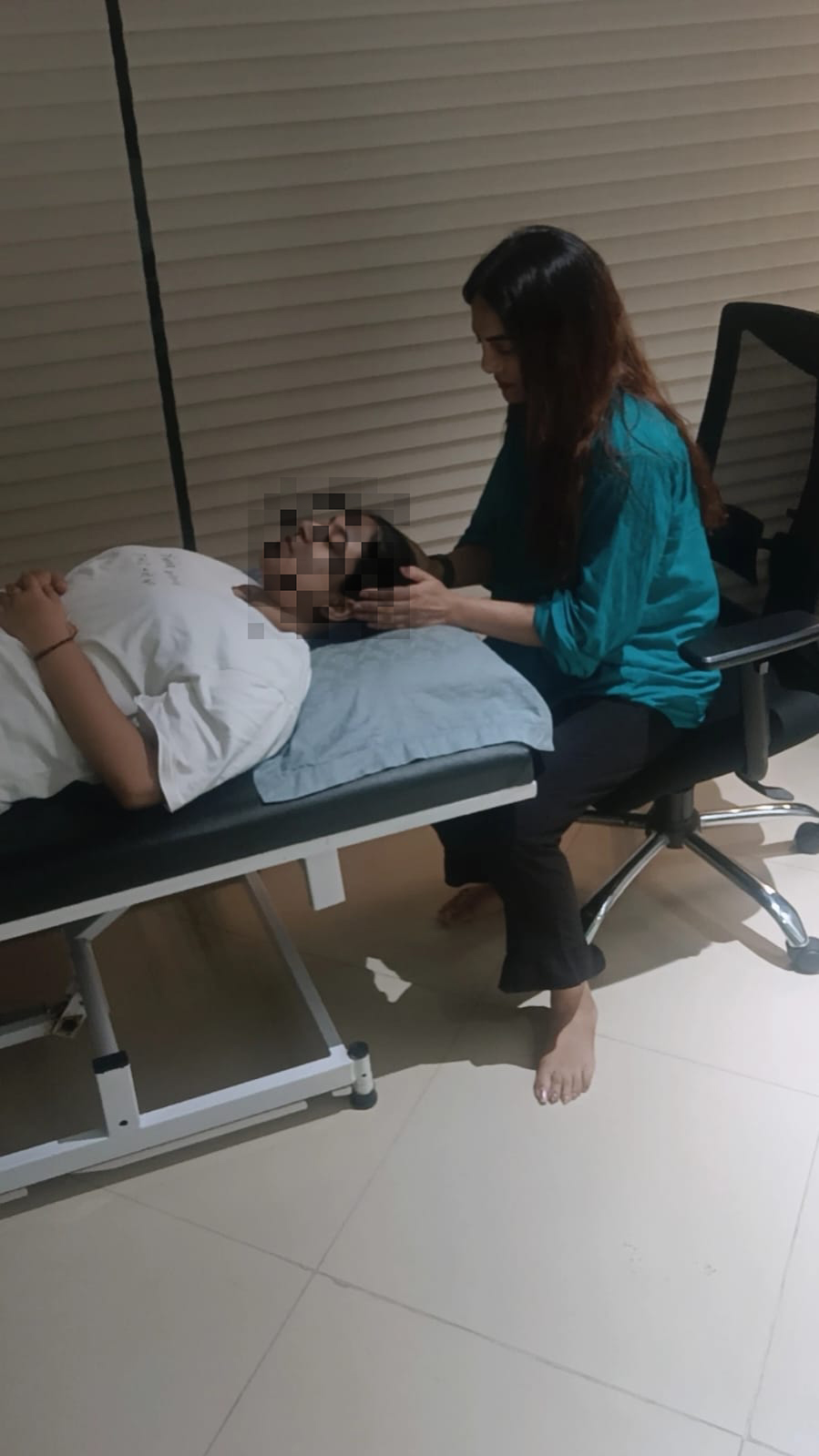
A one-to-one session in a quiet room: a person rests on a treatment couch while Vibha Jain sits alongside them.
A one-to-one session in a quiet room. The identity of the person attending has been obscured for privacy.
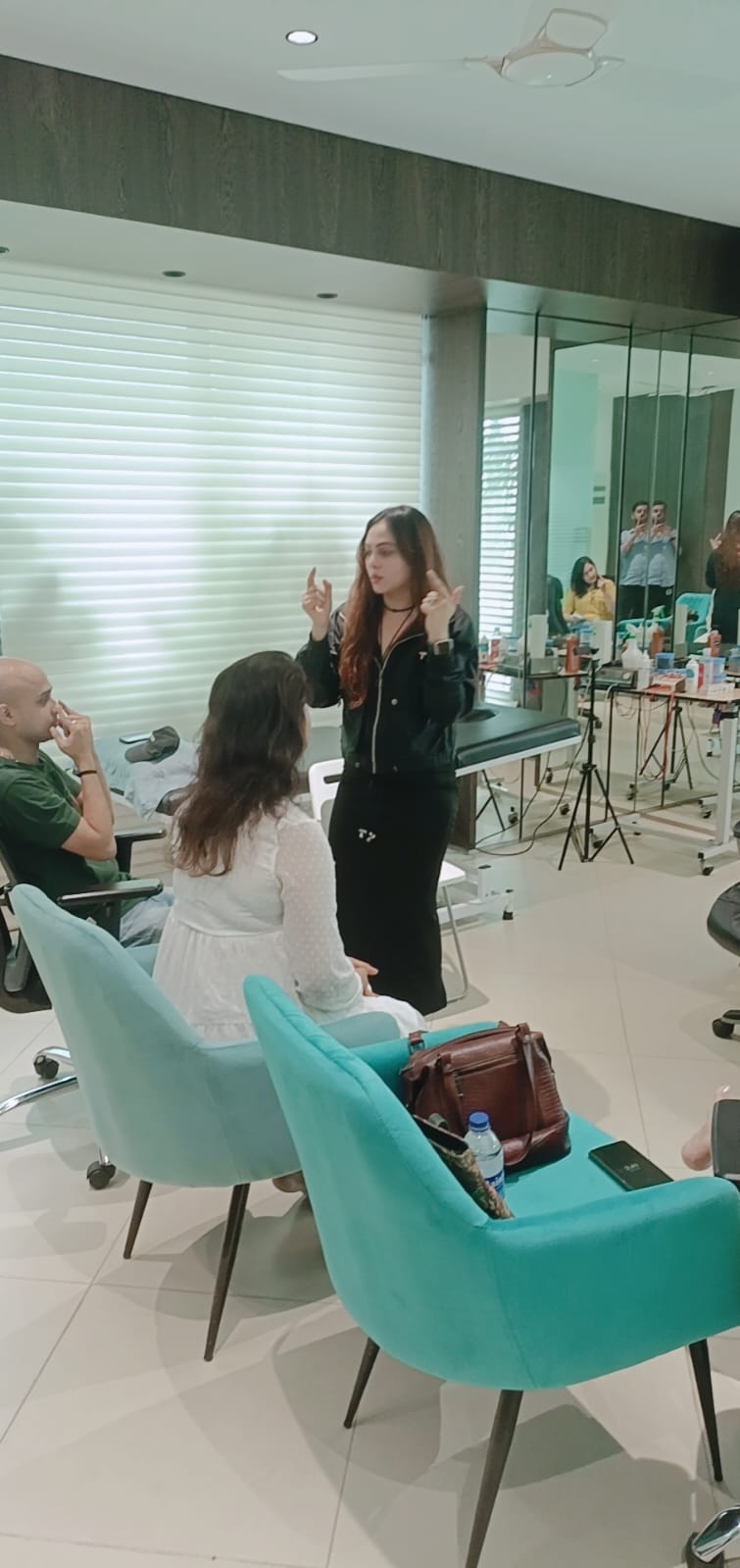
Vibha Jain standing and explaining an exercise to seated participants during a session.
Explanation comes before anything else — nobody is asked to try something they have not had described to them first.

Setting expectations

What cannot be promised

No guaranteed outcome

No practitioner can promise that a child will stop thumb sucking, or that any change will be permanent. Progress can vary, and periods where an old habit returns are common rather than exceptional.

No fixed number of sessions

How many sessions might be appropriate — if any are — depends entirely on the individual. Any figure quoted before a conversation has happened is a guess.

No replacement for other care

Hypnotherapy is not a substitute for medical, dental, developmental or psychological assessment where such support is needed. It should never delay advice you would otherwise seek.

No pressure on the child

A child is never forced, persuaded past their comfort, or made responsible for an adult’s expectations. Their willingness is treated as information, not as an obstacle.